

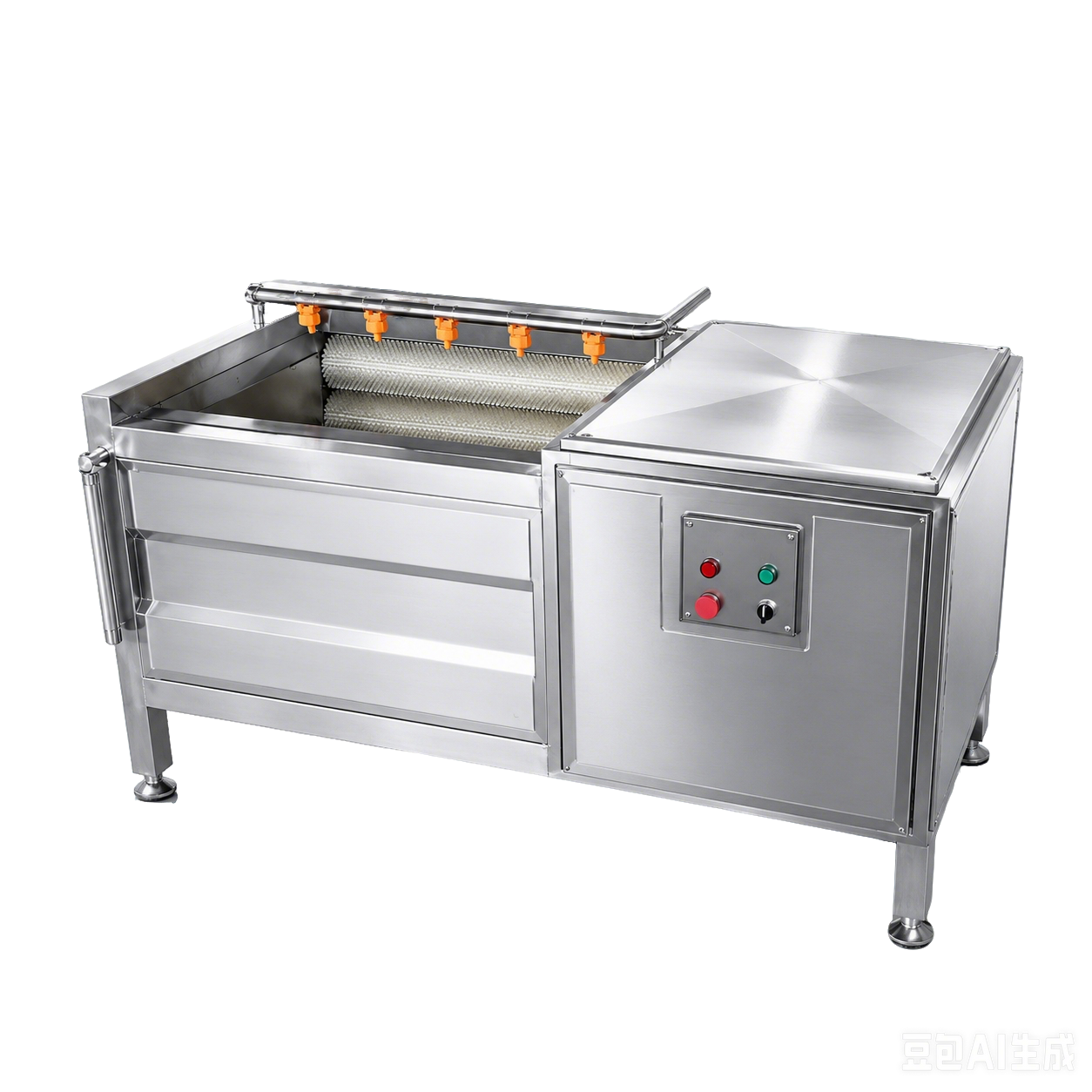
 NEW▶ videoIndustrial Vegetable Brush Washing Machine for Automatic Root Vegetable Cleaning and Peeling
Bubble washing machine
Brand: YIDO
Product Description
Bubble Washing Machine | Industrial Fruit and Vegetable Washing Equipment
1. Bubble Washing Machine Overview
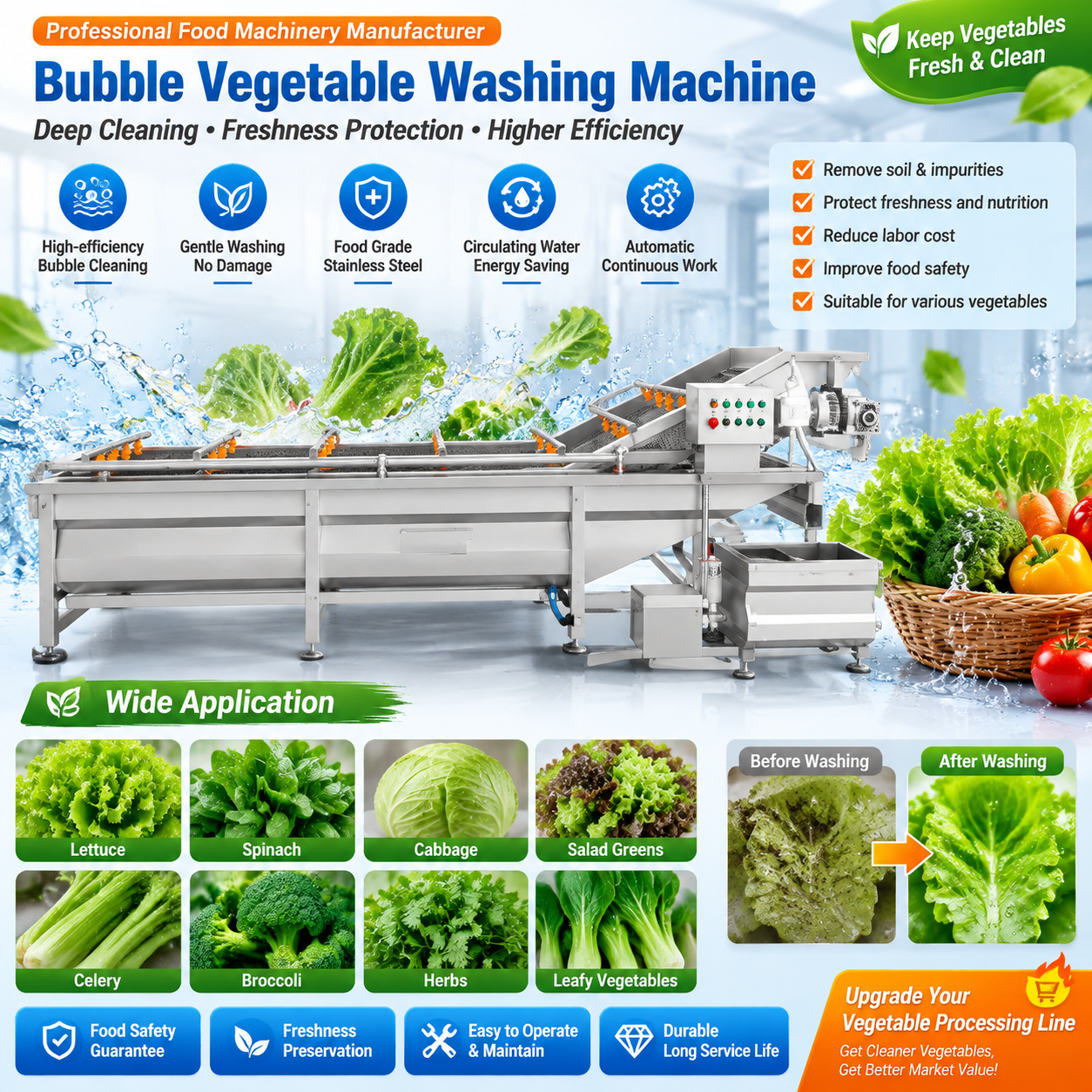
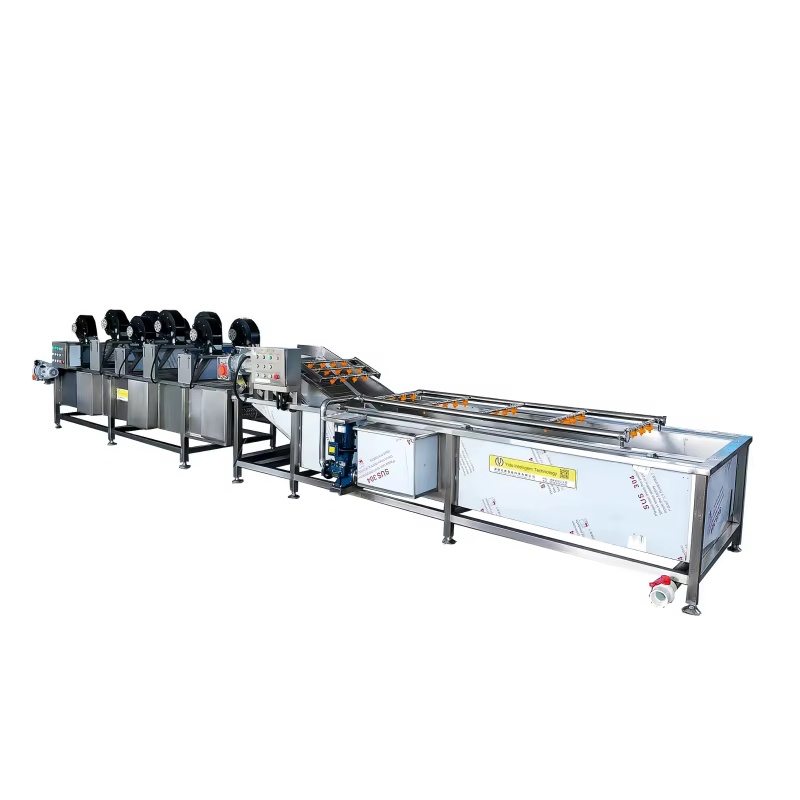
The industrial bubble washing machine is designed for cleaning fruits, vegetables, leafy greens, root vegetables, aquatic products, and other food materials. It uses a combination of water bubbling, material movement, and optional spray rinsing to remove soil, sand, dust, and other surface impurities. By creating continuous water turbulence through an air bubble system, the machine helps clean food materials more gently and evenly while reducing the need for intensive manual washing.
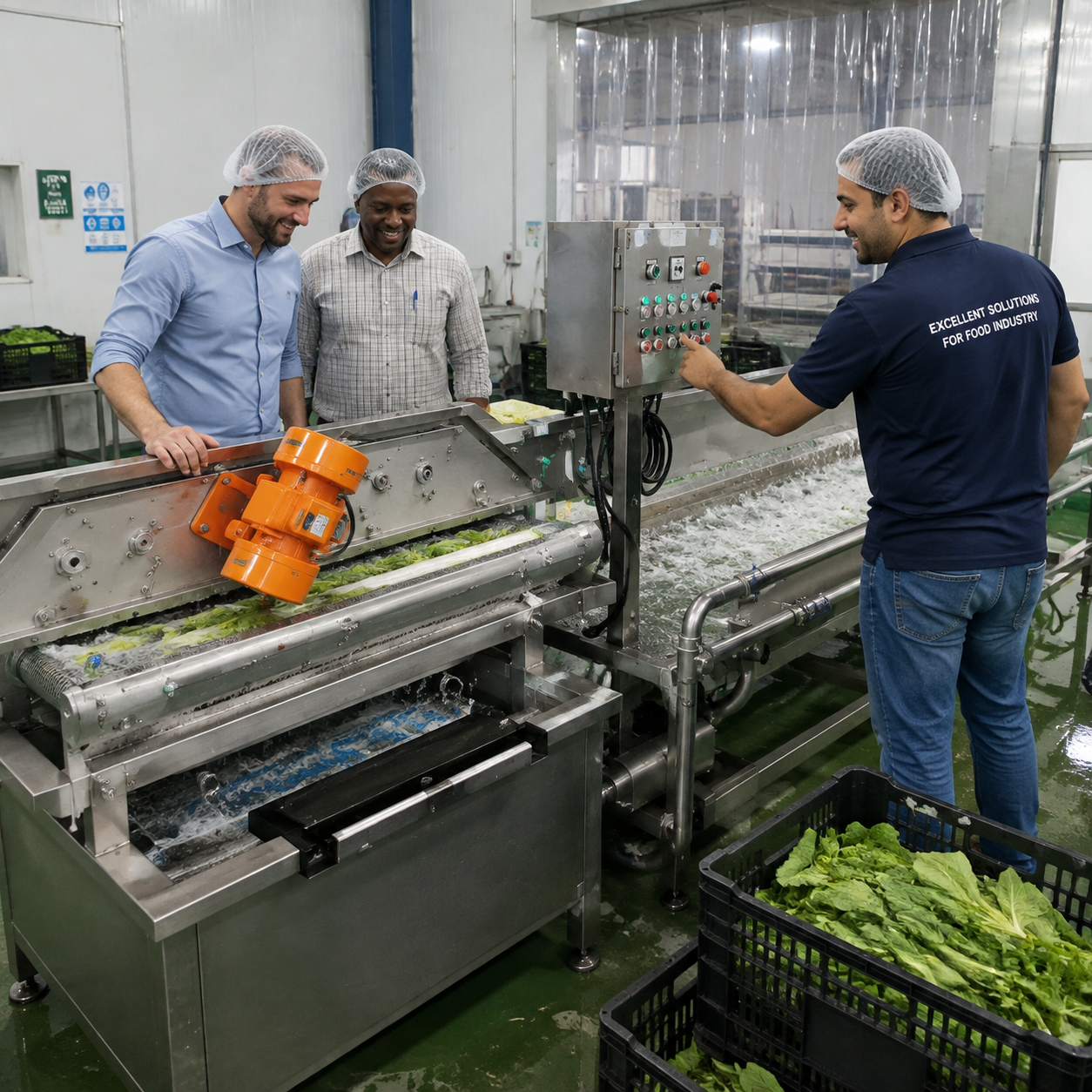
With the increasing demand for fresh-cut vegetables, ready-to-eat foods, frozen vegetables, and convenient food products, food manufacturers are placing greater emphasis on cleaning efficiency, hygiene management, and consistent product quality. An automatic bubble washing machine helps food processing factories improve washing efficiency, reduce manual labor, and establish a more standardized cleaning process. It is suitable for individual food processing operations and can also be integrated into complete fruit and vegetable processing lines. The equipment can be customized according to raw materials, washing requirements, processing capacity, and factory layout.
2. Bubble Washing Process
The bubble washing process typically involves feeding, water immersion, bubble agitation, impurity separation, spray rinsing, and material discharge. First, raw materials are placed onto the feeding conveyor or directly into the washing tank. The air bubble system generates continuous turbulence in the water, allowing the materials to move and turn during washing. Soil, sand, and other impurities are loosened and separated from the food surfaces. Depending on the machine configuration, a circulating water filtration system can help collect suspended impurities, while an additional spray rinsing section provides further surface cleaning. Finally, the cleaned materials are transported out of the machine for subsequent processing, such as cutting, sorting, drying, freezing, or packaging.
Typical Processing Flow:
Raw Material Feeding → Water Immersion → Bubble Washing → Impurity Separation → Spray Rinsing → Material Discharge → Subsequent Processing
The actual washing process can be adjusted according to the characteristics of different materials. Delicate leafy vegetables, root vegetables, fruits, and aquatic products may require different water levels, bubble intensity, conveying speeds, and washing times.
3. Main Equipment
1. Bubble Washing Tank
The bubble washing tank is the main cleaning section of the machine. It uses an air bubble system to generate water turbulence, helping loosen dirt, sand, and other impurities from the surface of food materials. The continuous movement of water helps improve contact between the materials and cleaning water, supporting more uniform washing. The tank size and cleaning configuration can be selected according to the required processing capacity and material characteristics.
2. Air Bubble Generation System
The air bubble generation system supplies compressed air or airflow to the washing tank through specially designed pipes or air outlets. It produces continuous bubbles that move and turn the materials in the water, helping remove surface impurities. The bubble intensity can be adjusted according to the characteristics of different products to reduce unnecessary impact on delicate materials.
3. Water Circulation and Filtration System
The water circulation and filtration system helps maintain the washing water during continuous operation. It can collect soil, leaves, sand, and other suspended impurities through suitable filtration components. Water circulation helps improve water utilization and maintain more stable washing conditions. The filtration structure and water management method can be customized according to the raw materials and hygiene requirements.
4. Spray Rinsing System
The spray rinsing system uses water nozzles to rinse the materials after the main bubble washing process. It helps remove remaining surface impurities and washing residues, improving the overall cleaning result. The spray pressure, nozzle arrangement, and water flow can be adjusted according to the product characteristics and processing requirements.
5. Conveyor and Discharge System
The conveyor system transports materials through the washing tank and discharges them after cleaning. The conveying speed can be adjusted according to the required washing time and production capacity. Suitable conveyor structures help reduce manual handling and support continuous production. The discharge section can also be connected to additional equipment, such as vegetable cutters, air dryers, sorting machines, or packaging systems.
4. Production Capacity
The industrial bubble washing machine can be configured for small food processing workshops, medium-sized food factories, and large industrial production facilities. Different models are available according to washing tank dimensions, conveyor width, material characteristics, and required output.
For small-scale operations, compact bubble washing machines can provide an efficient solution for batch or low-volume processing. For medium and large factories, continuous washing systems can be integrated with feeding conveyors, spray rinsing sections, water filtration systems, and automatic discharge conveyors to support higher processing efficiency.
Actual production capacity depends on the raw material type, material size, feeding density, washing time, water level, conveyor speed, and machine configuration. Manufacturers should provide their target hourly output and raw material information to determine the most suitable machine specifications.
5. Applicable Raw Materials
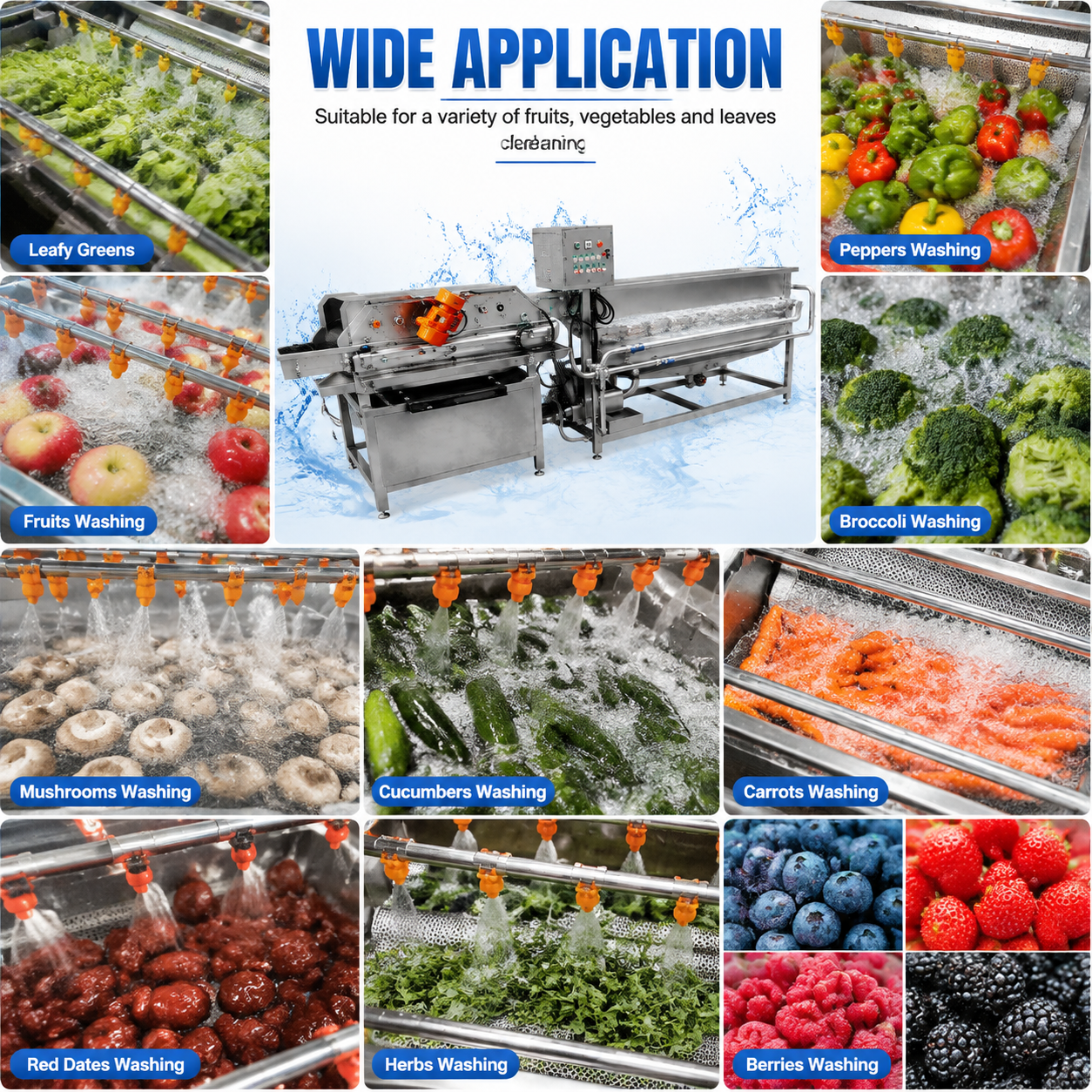
The bubble washing machine is suitable for cleaning a wide range of food materials, including:
Leafy Vegetables: Lettuce, spinach, cabbage, celery, bok choy, and other leafy greens.
Root Vegetables: Potatoes, carrots, radishes, sweet potatoes, and onions.
Fruits: Apples, pears, oranges, grapes, strawberries, and other compatible fruits.
Aquatic Products: Shrimp, shellfish, and selected seafood products, depending on machine configuration.
Food Ingredients: Mushrooms, peppers, cucumbers, tomatoes, and other food processing materials.
Different materials have different cleaning requirements. For delicate fruits and vegetables, appropriate bubble intensity and conveying speed are important to minimize physical damage. The machine should be selected according to material size, shape, surface characteristics, and washing requirements.
6. Final Products
The bubble washing machine is commonly used as a pre-treatment or cleaning section in food processing operations. After washing, the cleaned materials can be further processed into various products, including:
Fresh-cut vegetables
Ready-to-eat vegetable ingredients
Frozen vegetables
Cleaned fruits
Fruit and vegetable snacks
Vegetable salads
Prepared food ingredients
Cleaned aquatic products
Ingredients for canned and packaged foods
The machine can be connected to additional processing equipment to create a continuous production line, helping manufacturers improve overall processing efficiency and product consistency.
7. Key Advantages
The industrial bubble washing machine combines water turbulence and material movement to provide an effective cleaning solution for various food materials. Compared with basic manual washing, the automated process helps reduce labor requirements and improve washing efficiency. The continuous bubbling action allows materials to move throughout the water tank, helping loosen dirt and impurities from different surfaces. For suitable materials, this gentle washing method can reduce excessive mechanical friction.
The machine can be equipped with a water circulation and filtration system to collect suspended impurities and support more efficient water management. An optional spray rinsing section provides additional surface cleaning, while an adjustable conveyor system helps control washing time and material flow. These features make the machine suitable for different food processing requirements.
In terms of production management, the bubble washing machine can be integrated with vegetable cutters, air dryers, sorting equipment, and packaging machines to create a continuous processing system. Food-grade stainless steel construction, accessible cleaning areas, and a practical machine structure can support daily sanitation and maintenance. The specific material grade and configuration can be selected according to customer requirements.
For food manufacturers, an appropriately configured bubble washing machine helps reduce manual handling, improve cleaning consistency, and optimize production workflows. The actual cleaning performance depends on the raw materials, water quality, washing parameters, machine design, and subsequent sanitation procedures. Bubble washing alone does not guarantee sterilization or complete removal of microorganisms.
8. Applications
The industrial bubble washing machine is widely used in food processing and agricultural product handling industries.
Fruit and Vegetable Processing Plants: For washing fresh vegetables, fruits, leafy greens, and root vegetables before further processing.
Frozen Food Factories: For cleaning raw materials before cutting, blanching, freezing, and packaging.
Fresh-Cut Vegetable Manufacturers: For washing lettuce, cabbage, carrots, cucumbers, and other ingredients used in fresh-cut products.
Aquatic Product Processing Plants: For cleaning suitable seafood and aquatic materials according to product requirements.
Central Kitchens: For washing large quantities of vegetables and food ingredients for catering operations.
Food Packaging Companies: For preparing clean raw materials before sorting, weighing, and packaging.
Agricultural Product Processing Facilities: For cleaning harvested fruits and vegetables before grading and distribution.
9. Frequently Asked Questions
Q1: What materials can a bubble washing machine clean?
A: It can clean a wide range of fruits, vegetables, leafy greens, root vegetables, mushrooms, and selected aquatic products. The machine configuration should be selected according to the material characteristics.
Q2: How does a bubble washing machine work?
A: The machine generates continuous air bubbles in the water tank, creating water turbulence that moves the materials and helps loosen soil, sand, and other surface impurities. Optional spray rinsing provides additional cleaning.
Q3: Can the bubble washing machine be customized?
A: Yes. The tank dimensions, conveyor width, washing capacity, bubble intensity, spray system, filtration system, and discharge structure can be customized according to customer requirements.
Q4: Does the bubble washing machine damage fruits and vegetables?
A: The bubble washing process is generally suitable for many delicate food materials because it relies on water movement rather than strong mechanical friction. However, bubble intensity, conveying speed, and washing time should be adjusted according to the material.
Q5: Can the machine recycle washing water?
A: The machine can be equipped with a water circulation and filtration system to collect suspended impurities and reuse suitable washing water. Water replacement and sanitation procedures should still follow the specific food safety requirements.
Q6: Can the bubble washing machine be connected to other equipment?
A: Yes. It can be integrated with vegetable cutters, sorting machines, air dryers, blanching machines, freezing equipment, and packaging machines to create a complete food processing line.
Q7: What determines the washing machine's production capacity?
A: Production capacity depends on the washing tank dimensions, conveyor width, raw material type, feeding density, washing time, and machine configuration. Customized models can be selected according to the required hourly output.
Related Products
NEW▶ videoIndustrial Vegetable Brush Washing Machine for Automatic Root Vegetable Cleaning and Peeling NEW▶ videobottle washing machine
 NEW▶ videoAutomatic Chili Pepper Slicing Line for Industrial Chili Shredding and Food Processing
 NEWVacuum Tumbler Machine
 NEW▶ videoAutomatic Vegetable Processing Line for Fresh Cut Vegetables: Complete Vegetable Washing, Cutting and Packaging Solutions for Food Processing Factories
 NEW▶ videoHigh Efficiency Automatic Plastic Crate Washing Line for Food Processing Plants