
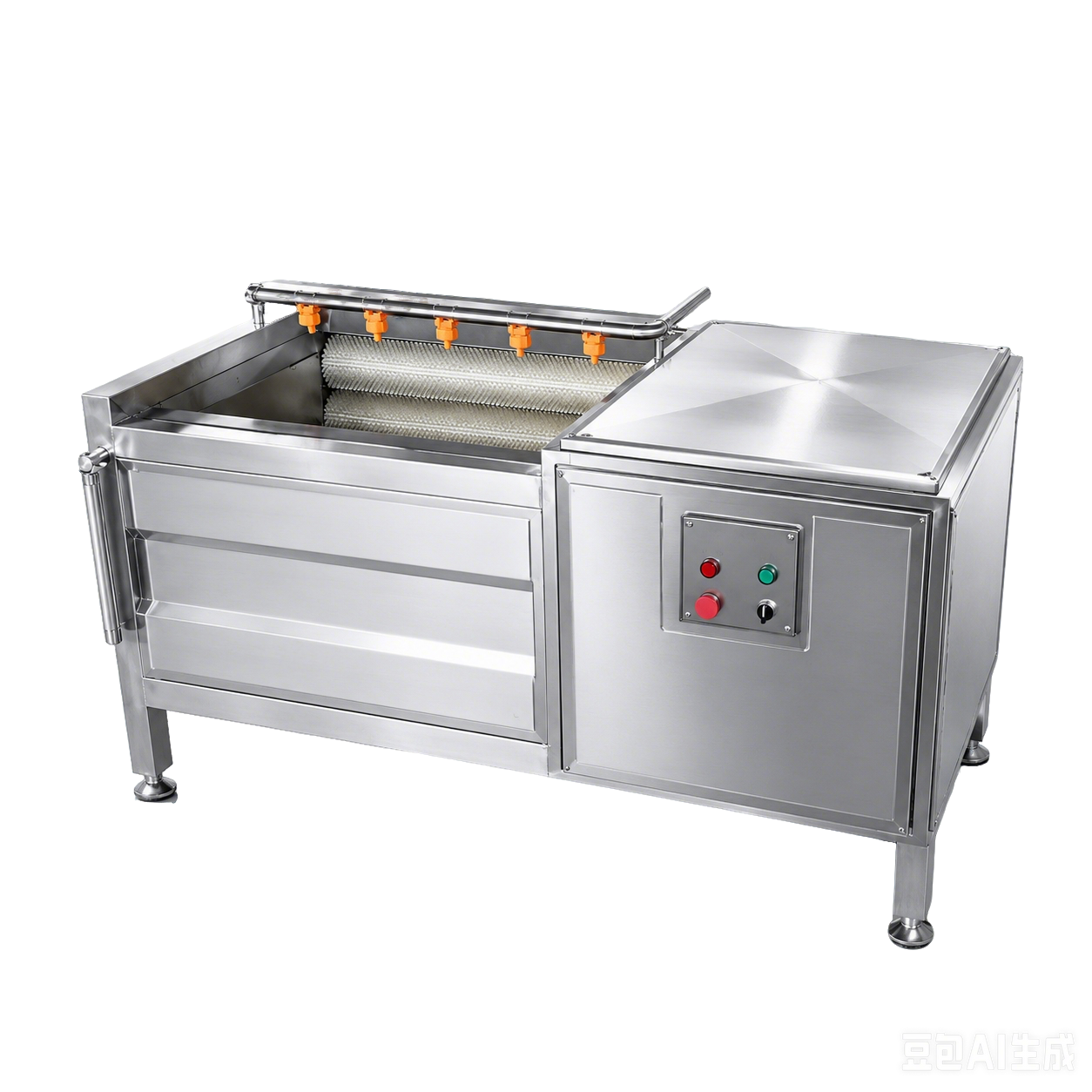
 NEW▶ videoIndustrial Vegetable Brush Washing Machine for Automatic Root Vegetable Cleaning and Peeling
High Efficiency Automatic Plastic Crate Washing Line for Food Processing Plants
The Plastic Crate Washing Line automatically removes dirt, grease and food residues from reusable crates in meat, seafood, fruit, vegetable and food processing.
Brand: YIDO
Product Description
YIDO provides a High Efficiency Automatic Plastic Crate Washing Line for Food Processing Plants designed to clean reusable plastic crates used in industrial food handling, storage and transportation. This industrial cleaning solution helps remove food residues, grease and other common contaminants from plastic crates used in meat processing, seafood handling, fruit and vegetable production, and other food manufacturing operations.
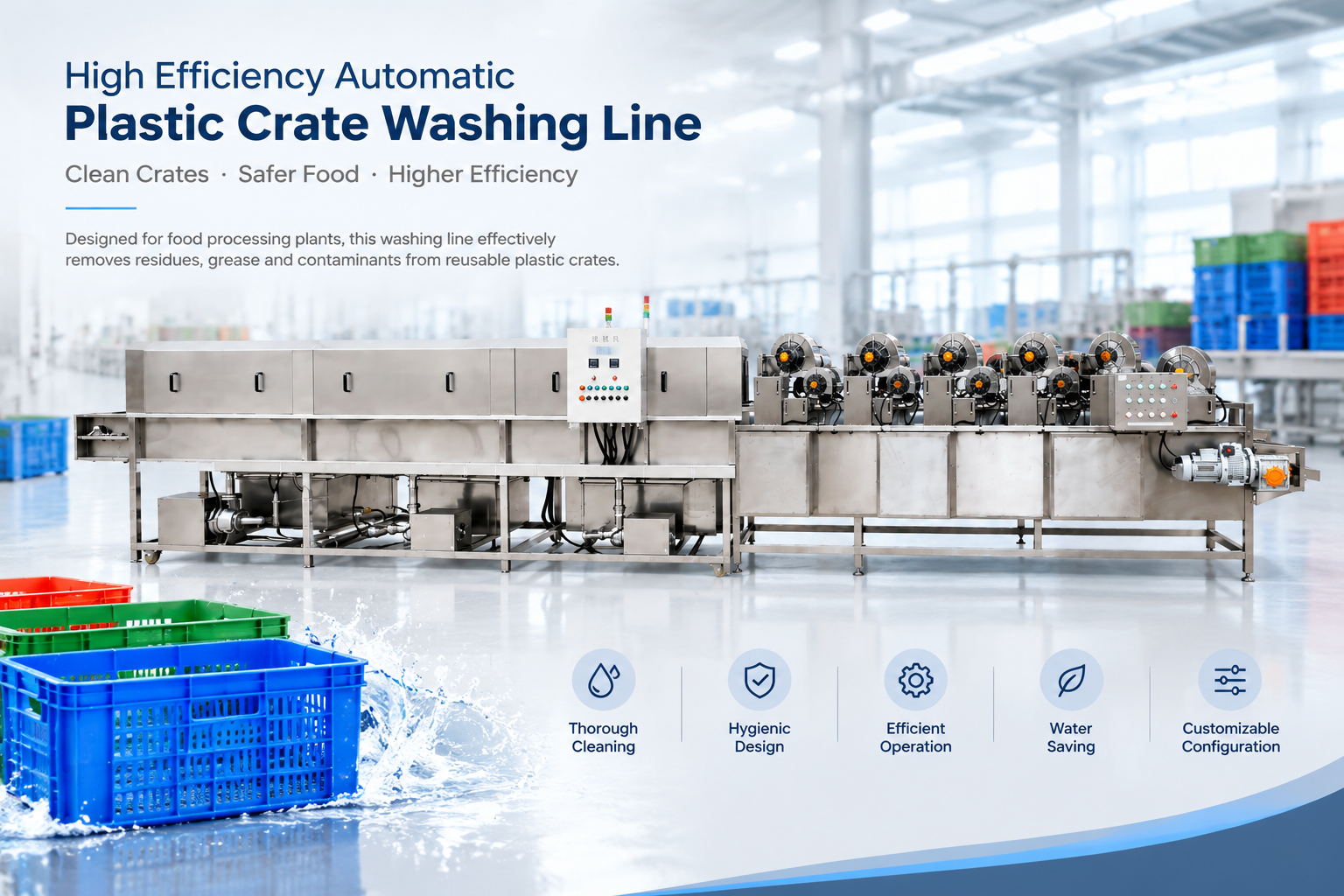
As a professional food machinery manufacturer, Zhucheng Yido Intelligent Technology Co., Ltd. develops practical equipment solutions for food factories, commercial kitchens, central kitchens and industrial processing facilities. An Automatic Crate Washing Machine can integrate washing, rinsing and optional drying functions to support more consistent cleaning and improve daily handling efficiency. Depending on crate dimensions, contamination levels, production capacity and workshop layout, YIDO can help customers select a suitable Industrial Crate Washer or configure a complete crate cleaning system.
For international food manufacturers and equipment distributors, our approach focuses on hygienic design, practical operation, efficient water use and customized equipment configuration. The system can be adapted to different plastic crate sizes and production requirements, subject to technical confirmation.
Why Choose an Automatic Plastic Crate Washing Line?
Manual crate cleaning can require significant labor and may produce inconsistent results when factories handle large numbers of reusable containers every day. An automatic washing solution helps standardize the cleaning process while reducing repetitive manual work.
A properly configured Plastic Crate Washing Machine can support continuous or batch cleaning, depending on the equipment design. For factories with frequent crate turnover, an integrated Crate Washing System can improve workflow organization and make cleaning operations easier to manage.
Key benefits include:
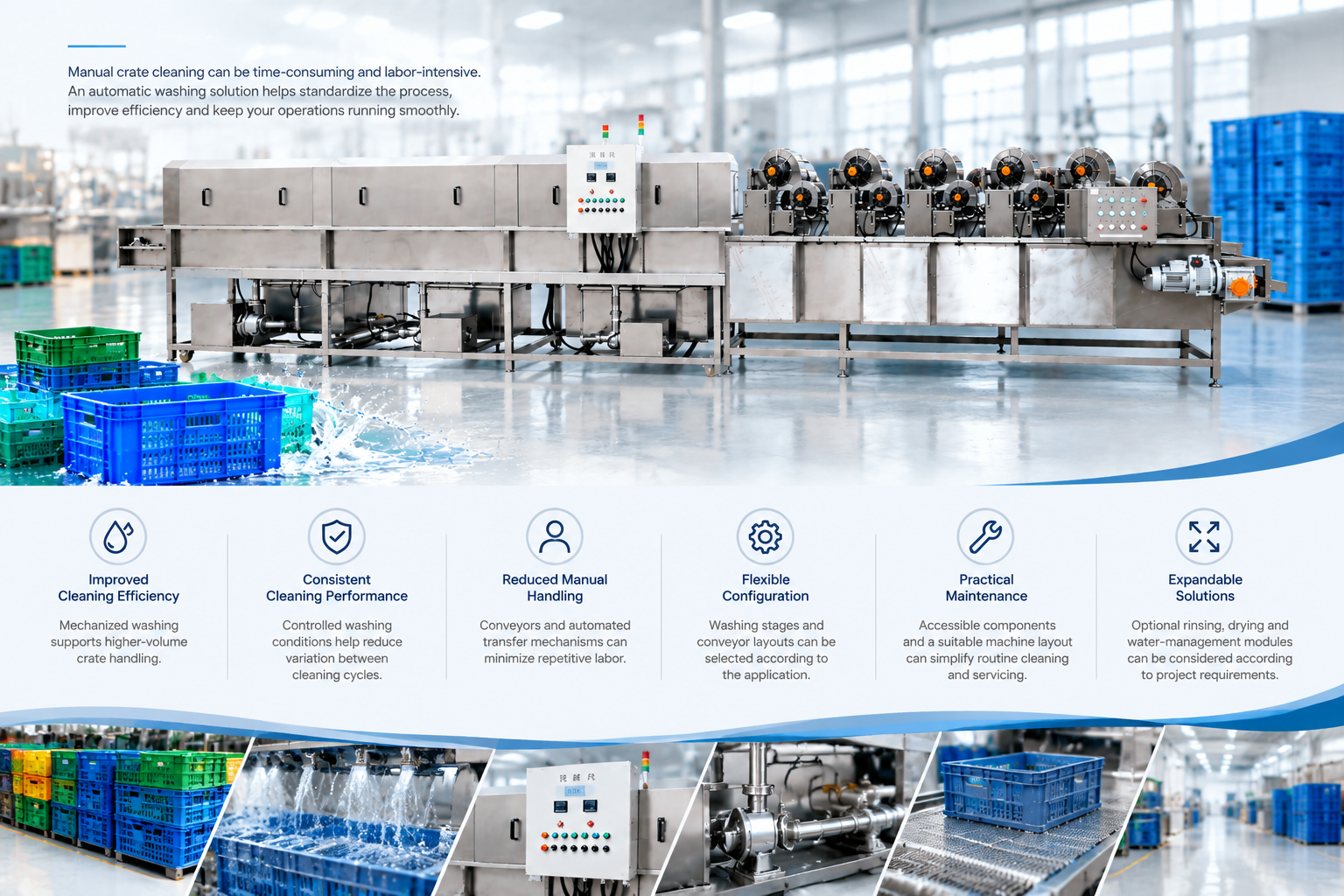
Improved cleaning efficiency: Mechanized washing supports higher-volume crate handling.
Consistent cleaning performance: Controlled washing conditions help reduce variation between cleaning cycles.
Reduced manual handling: Conveyors and automated transfer mechanisms can minimize repetitive labor.
Flexible configuration: Washing stages and conveyor layouts can be selected according to the application.
Practical maintenance: Accessible components and a suitable machine layout can simplify routine cleaning and servicing.
Expandable solutions: Optional rinsing, drying and water-management modules can be considered according to project requirements.
Industrial Crate Washer for Food Processing Applications
A suitable industrial crate washer should be selected according to the type of residue, crate construction, required hygiene level and expected daily throughput. Different industries may require different washing temperatures, detergent systems, spray arrangements and drying methods.
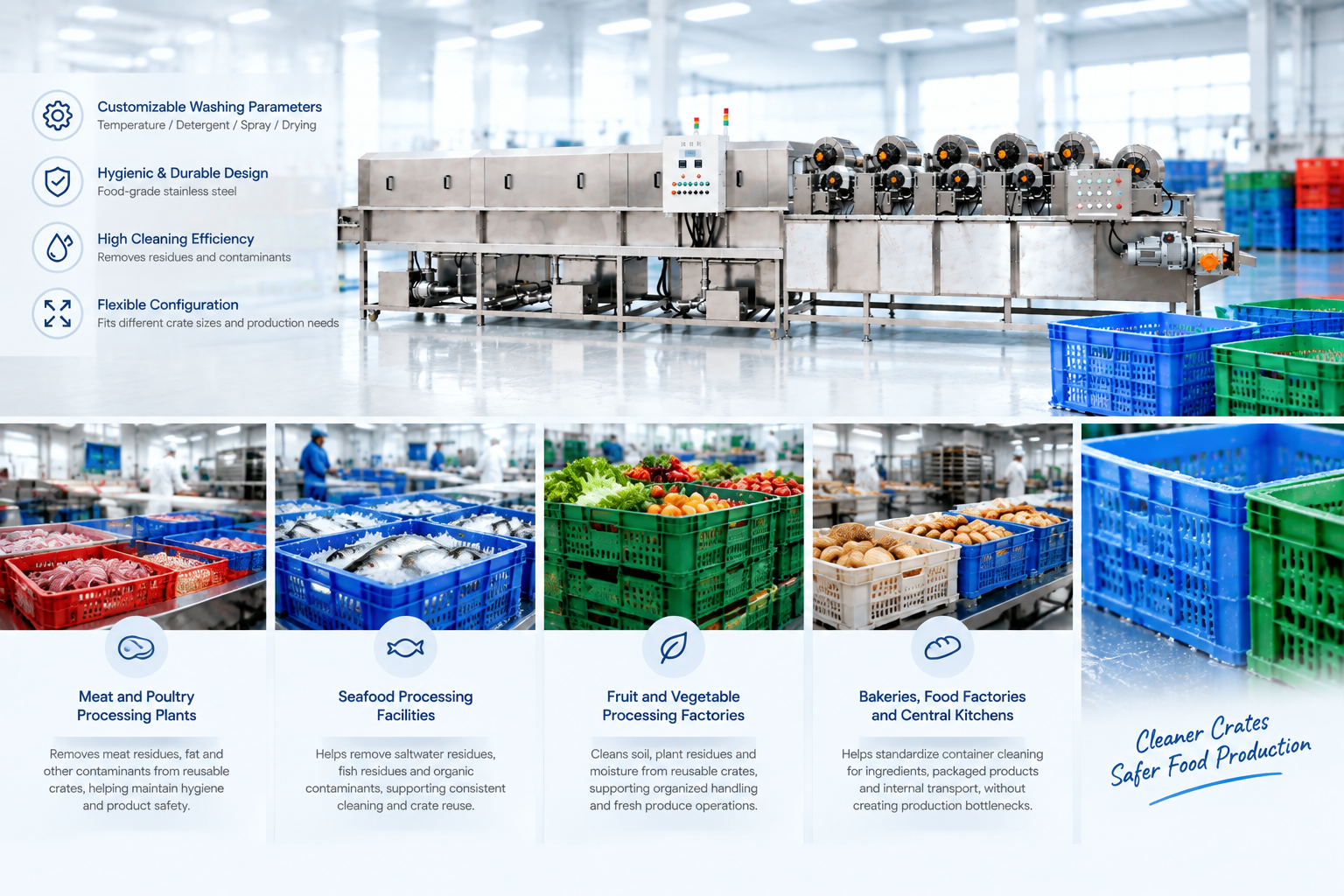
Meat and Poultry Processing Plants
Meat processing facilities use reusable plastic crates to transfer raw meat, poultry portions, ingredients and processed products between production areas. A properly configured washing system helps remove visible meat residues, fat and other contaminants before crates return to service.
An Industrial Crate Washing System for Meat Processing Plants can be designed around crate dimensions, residue characteristics and factory workflow. Where required, additional sanitation procedures should be established according to the plant's hygiene management plan.
Seafood Processing Facilities
Seafood plants use crates for handling fish, shrimp, shellfish and other aquatic products. Saltwater residues, fish residues and organic contaminants can create specific cleaning challenges.
An appropriately configured plastic crate washer can help improve cleaning consistency and support the reuse of containers in seafood processing operations. Materials, corrosion resistance and washing parameters should be selected according to the actual working environment.
Fruit and Vegetable Processing Factories
Fruit and vegetable factories use crates to collect, transfer and store fresh produce. Soil, plant residues and moisture can accumulate during repeated handling.
An automatic washing system can help clean reusable crates between production cycles, supporting organized material handling in fresh produce and minimally processed vegetable operations.
Bakeries, Food Factories and Central Kitchens
Bakeries, prepared-food manufacturers and central kitchens may use plastic crates for ingredients, packaged products and internal transport. A properly sized washing system can help standardize container cleaning without creating unnecessary bottlenecks in the production workflow.
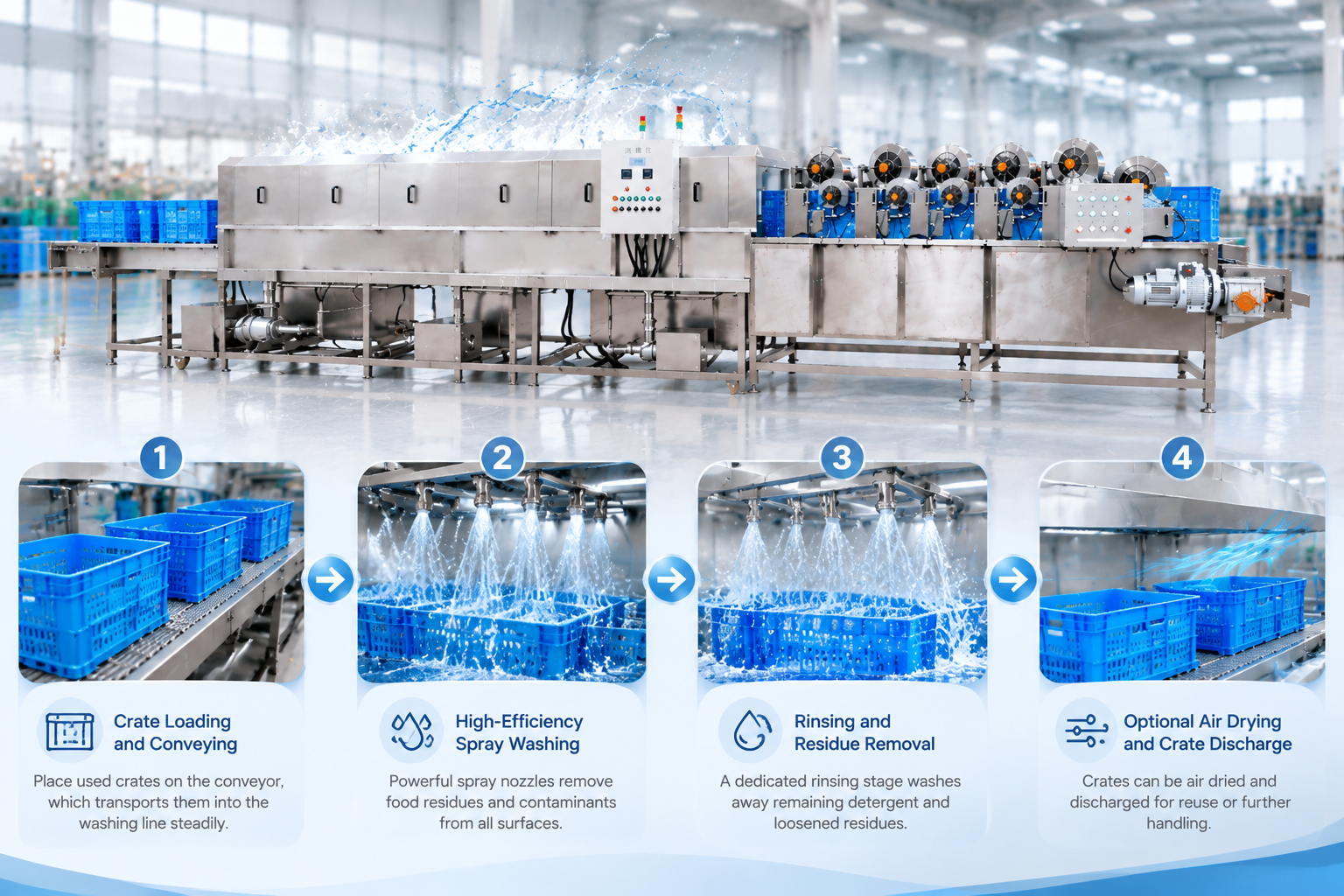
How the Automatic Crate Washing Machine Works
An automatic crate washing line typically combines several stages. The final arrangement depends on the crate type, required cleaning performance and equipment configuration.
1. Crate Loading and Conveying
Operators place used plastic crates onto the loading section. A conveyor or suitable transfer mechanism moves them into the washing area at a controlled pace.
The loading design should accommodate the crate dimensions and handling method used by the factory.
2. High-Efficiency Spray Washing
Spray nozzles direct water onto the crate surfaces to remove food residues and other contaminants. Pump capacity, nozzle arrangement, water pressure and conveyor speed should be selected according to the actual cleaning requirements.
Where necessary, a compatible detergent system or temperature-controlled washing stage can be considered.
3. Rinsing and Residue Removal
A rinsing stage can remove remaining detergent and loosened contaminants. The number of rinsing stages and water circulation arrangement depend on the application and the required cleaning standard.
Water filtration and reuse options may also be evaluated when appropriate for the process.
4. Optional Air Drying and Crate Discharge
After washing and rinsing, crates can be discharged for draining, air drying or further handling. An optional drying module may be suitable for operations that require reduced surface moisture before storage or reuse.
The final layout can be designed to connect with existing factory handling systems, subject to site conditions and technical evaluation.
Key Features of a Plastic Crate Washing Machine
The performance of a Plastic Crate Washing Machine depends on the complete system design rather than a single parameter. Important considerations include the following.
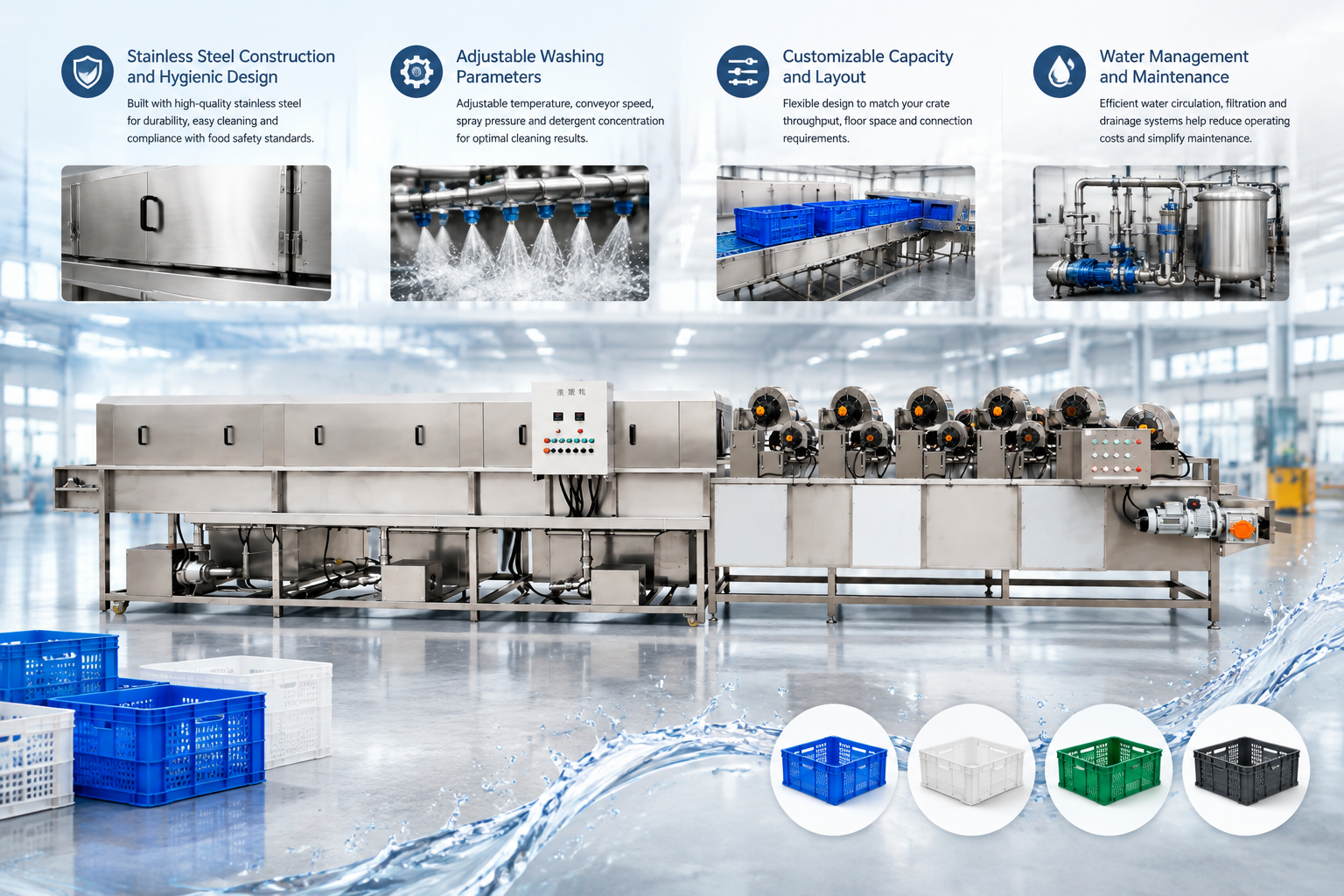
Stainless Steel Construction and Hygienic Design
Food processing environments require equipment that can withstand frequent cleaning and routine maintenance. Stainless steel construction can be selected for suitable machine components according to the application, cleaning chemicals and operating environment.
The final material specification should be confirmed during technical planning.
Adjustable Washing Parameters
Washing temperature, conveyor speed, spray pressure and detergent concentration may influence cleaning performance. Appropriate adjustment helps match the washing process to the contamination level and crate design.
Customizable Capacity and Layout
A Crate Washing System should match the customer's actual crate throughput, available floor space and connection requirements. Conveyor length, washing stages, loading arrangements and discharge direction can be evaluated for each project.
Water Management and Maintenance
Water circulation, filtration and drainage arrangements can influence operating costs and maintenance requirements. Their configuration should reflect local water conditions, contamination levels and the factory's cleaning procedures.
Customized Crate Washing Equipment for Food Processing Plants
YIDO understands that different factories use different crate sizes, production schedules and cleaning procedures. Our equipment planning approach begins with the customer's application rather than assuming that one standard machine will fit every production environment.
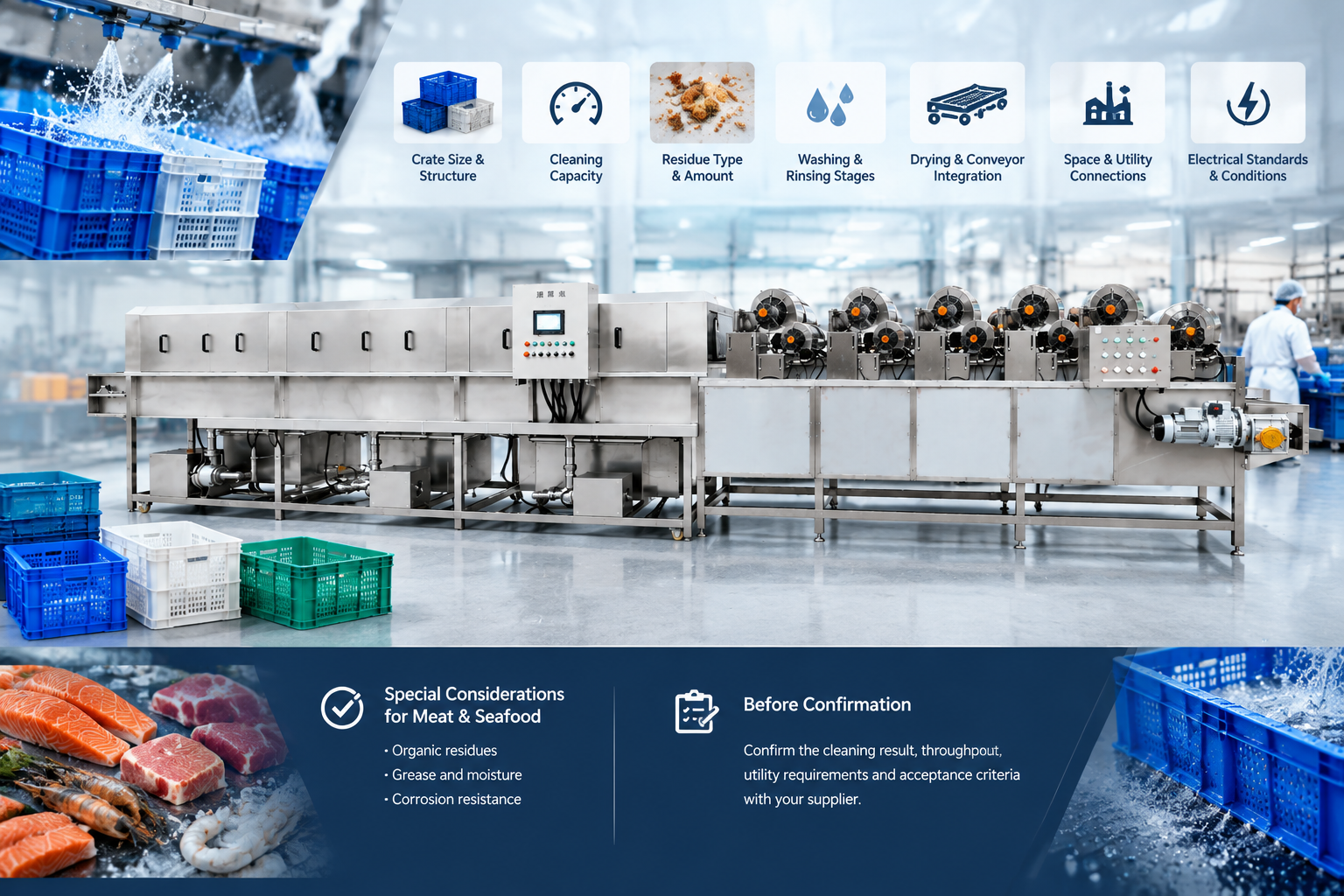
Crate Washing Equipment for Food Processing Plants can be evaluated according to the following factors:
Crate length, width, height and structural design
Required cleaning capacity per hour
Type and quantity of food residues
Required washing and rinsing stages
Optional drying and conveyor integration
Available workshop space and utility connections
Local electrical standards and operating conditions
For customers handling meat and seafood, an Industrial Plastic Crate Washing Machine for Meat and Seafood Processing may require particular attention to organic residues, grease, moisture and corrosion resistance.
Before confirming a solution, the equipment supplier and customer should agree on the expected cleaning result, throughput, utility requirements and acceptance criteria.
Why Choose YIDO as Your Crate Washing Equipment Manufacturer?
Zhucheng Yido Intelligent Technology Co., Ltd. focuses on food processing machinery and customized equipment solutions for domestic and international markets.
Our project approach emphasizes practical machine configuration, mechanical design, production coordination, assembly inspection and testing before delivery, according to the agreed project scope.
When developing a High Efficiency Automatic Plastic Crate Washing Line for Food Processing Plants, we can evaluate the relationship between washing capacity, crate dimensions, conveying speed and the customer's production workflow.
Customers can discuss equipment selection based on their application, existing machinery and planned production capacity. Where a complete line is required, the proposed solution should clearly identify included equipment, optional modules, interface requirements and the scope of installation or commissioning services.
YIDO aims to help food manufacturers and equipment distributors identify practical cleaning solutions that support efficient operations and consistent container handling.
Frequently Asked Questions
What is an automatic plastic crate washing line?
An automatic plastic crate washing line is an industrial cleaning system designed to wash reusable plastic crates through mechanized conveying and one or more cleaning stages. Depending on its configuration, it may include washing, rinsing, drying and water-management modules.
Which industries use an industrial crate washer?
Industrial crate washers are used in meat and poultry processing, seafood processing, fruit and vegetable factories, bakeries, prepared-food manufacturing and other operations that reuse plastic containers.
Can the crate washing system handle different crate sizes?
A system may be customized for different crate dimensions, but compatibility must be confirmed before ordering. Customers should provide crate measurements, photographs and expected throughput for technical evaluation.
Can an automatic crate washing machine include a drying function?
Yes, an optional drying stage can be considered when the application requires reduced surface moisture. The suitable method depends on crate design, required drying performance, available space and operating conditions.
How can I select the right plastic crate washing machine?
Consider crate dimensions, hourly capacity, contamination type, required cleaning result, washing temperature, available utilities, workshop layout and maintenance requirements. Sharing these details with the manufacturer helps establish a suitable configuration.
Request a Customized Plastic Crate Washing Solution
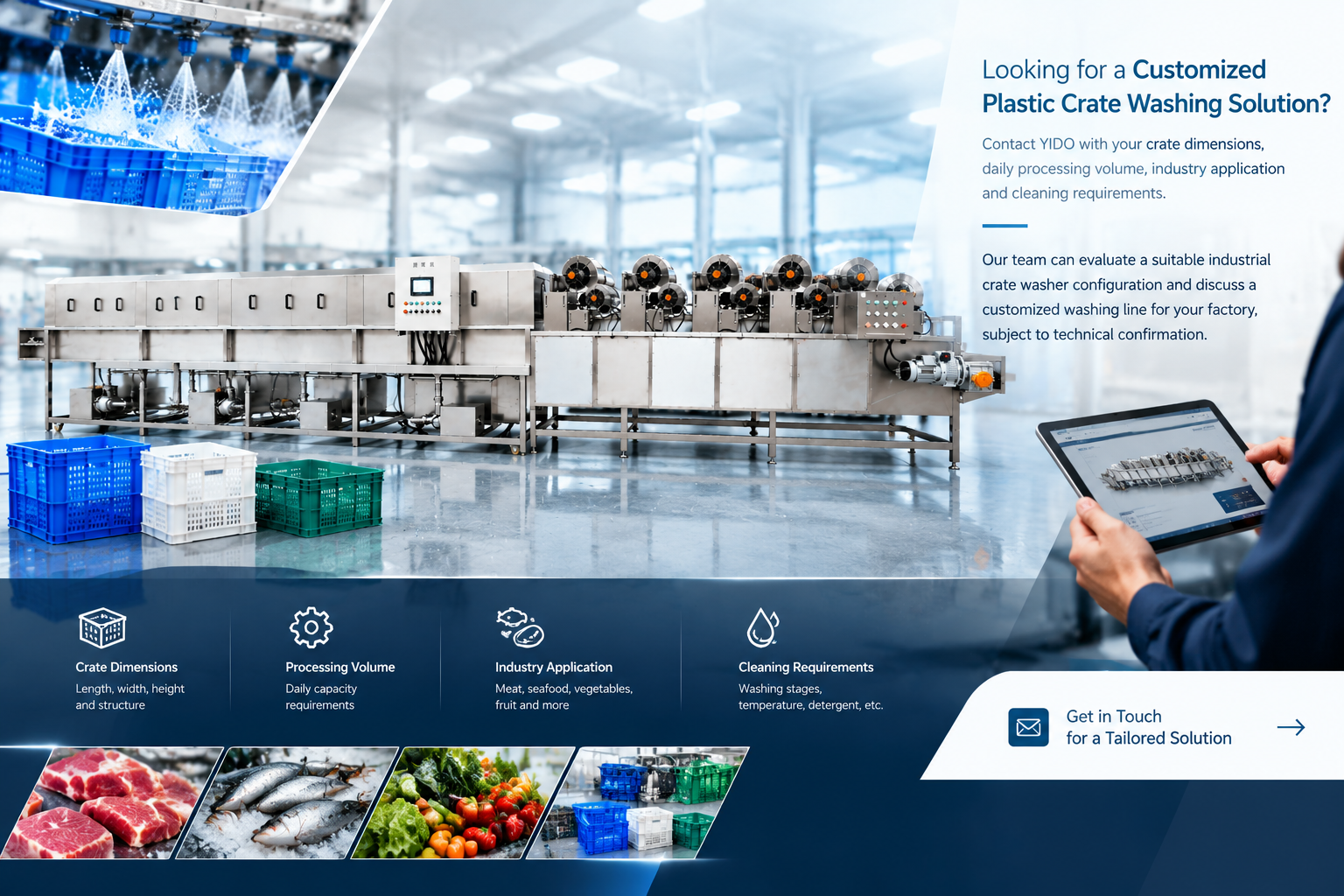
Looking for an automatic crate washing machine for your food processing facility? Contact YIDO with your crate dimensions, daily processing volume, industry application and cleaning requirements.
Our team can evaluate a suitable industrial crate washer configuration and discuss a customized washing line for your factory, subject to technical confirmation.
Related Products
NEW▶ videoIndustrial Vegetable Brush Washing Machine for Automatic Root Vegetable Cleaning and Peeling NEW▶ videobottle washing machine
 NEW▶ videoAutomatic Chili Pepper Slicing Line for Industrial Chili Shredding and Food Processing
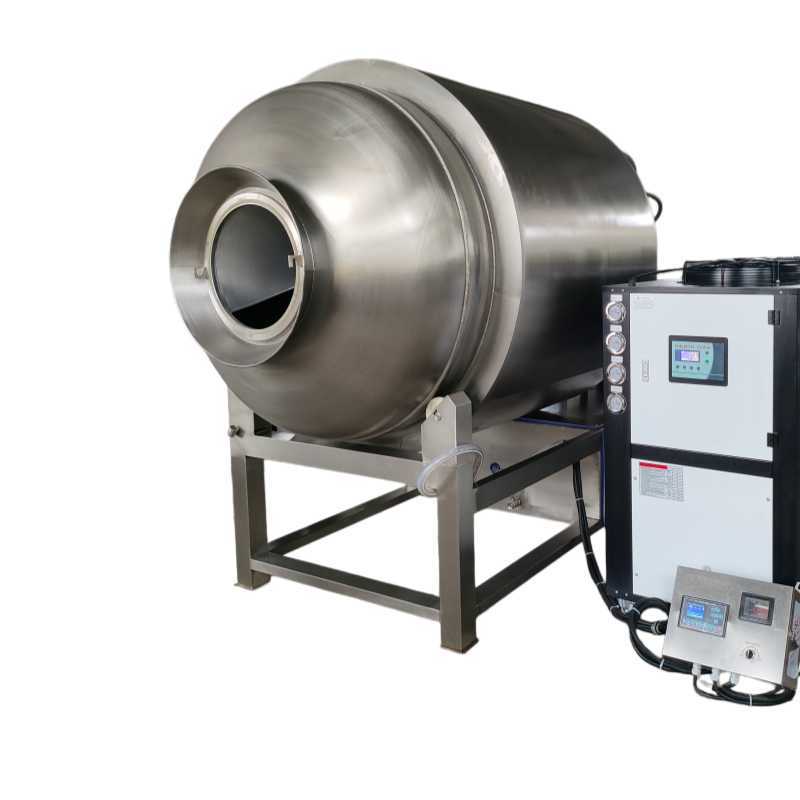 NEWVacuum Tumbler Machine
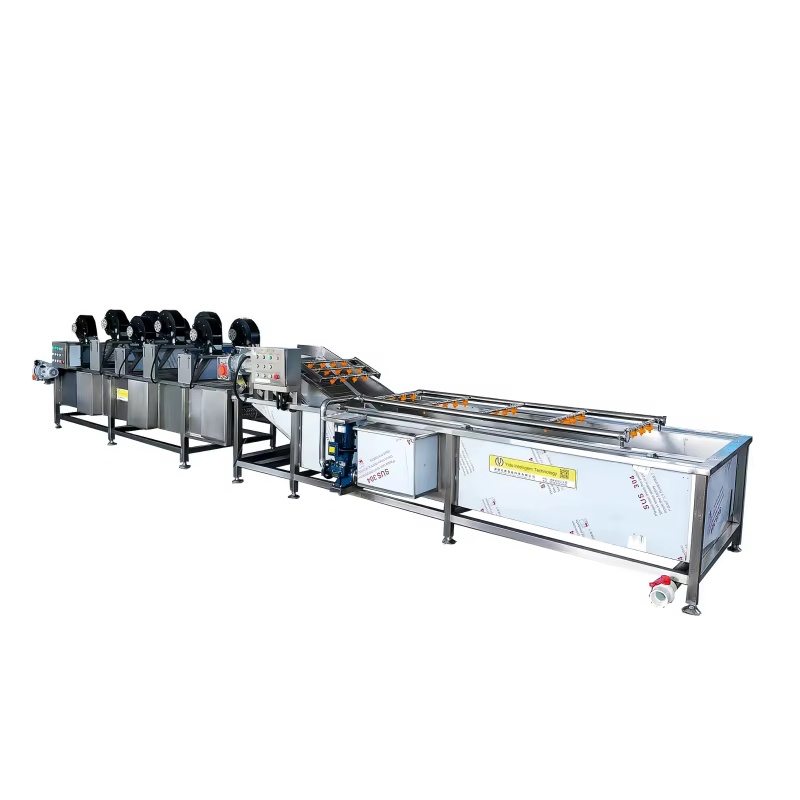 NEW▶ videoAutomatic Vegetable Processing Line for Fresh Cut Vegetables: Complete Vegetable Washing, Cutting and Packaging Solutions for Food Processing Factories
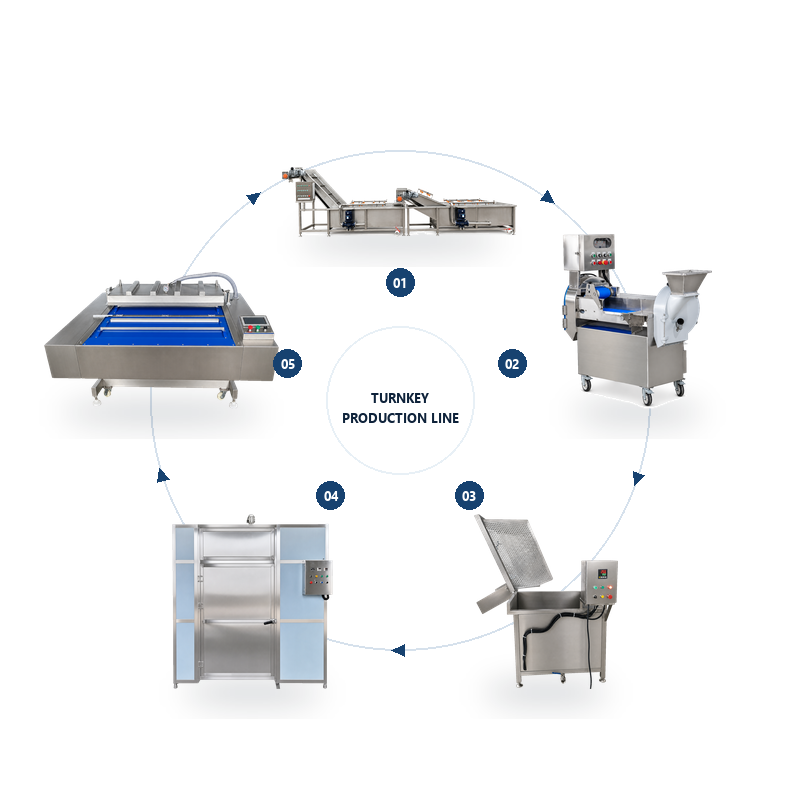 NEWDried fruit and vegetable production line