
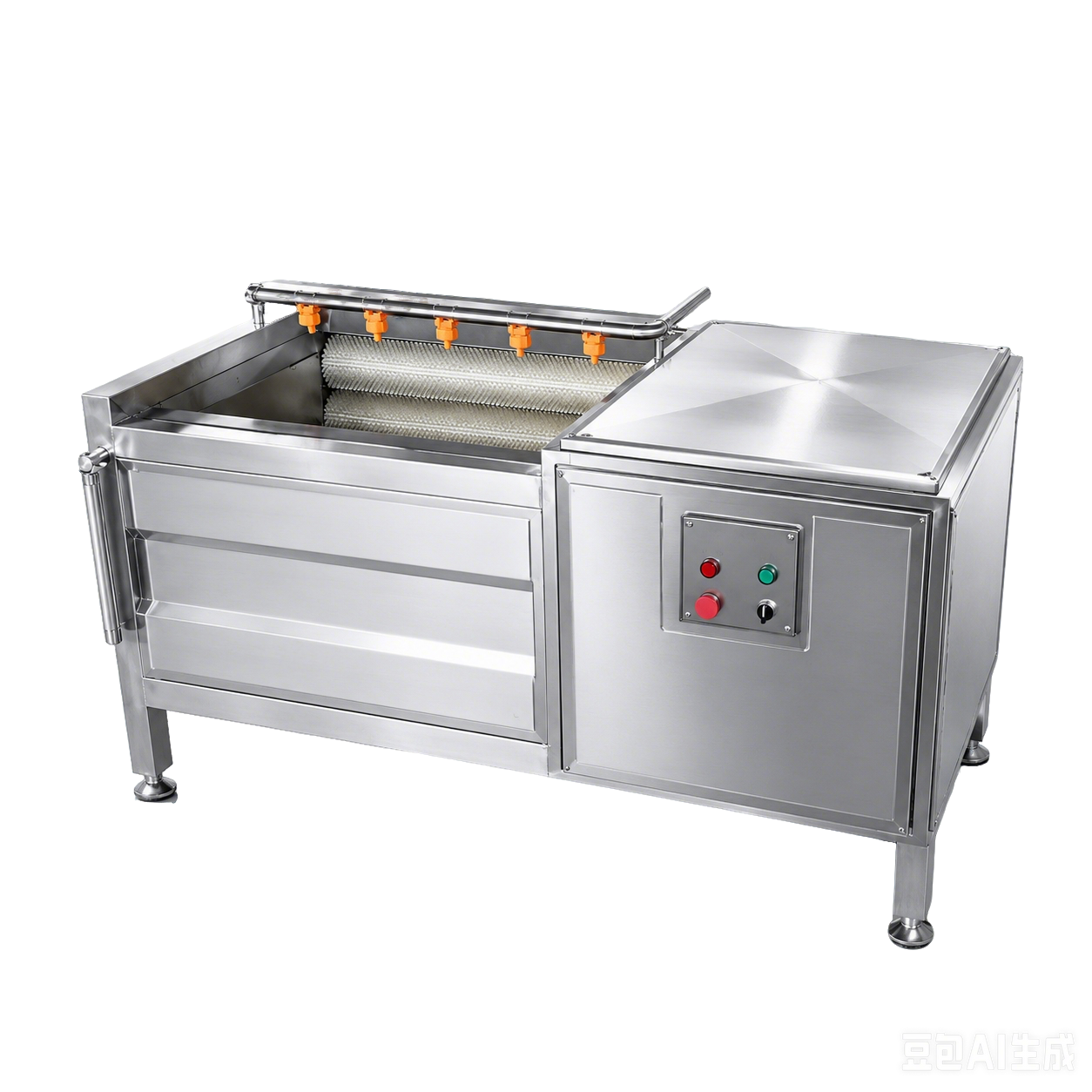
 NEW▶ videoIndustrial Vegetable Brush Washing Machine for Automatic Root Vegetable Cleaning and Peeling
Meat jerky production line
Brand: YIDO
Product Description
Automatic Dried Meat Production Line
1. Dried Meat Production Line Overview
The automatic dried meat production line is a professional food processing solution designed for meat processing plants, snack manufacturers, prepared food producers, and commercial food factories. The production line can integrate meat cutting machines, meat tenderizing machines, meat slicers, seasoning mixers, vacuum tumblers, drying ovens, smoking ovens, cooling conveyors, and packaging machines to create an efficient dried meat manufacturing process. Equipment configurations can be customized according to raw materials, product specifications, processing technology, and production capacity.
With the growing demand for high-protein snacks, convenient foods, and ready-to-eat meat products, dried meat has become an important category in the global snack and meat processing industries. Products such as beef jerky, pork jerky, dried chicken, seasoned meat strips, and traditional dried meat snacks are popular in different markets. Modern dried meat processing equipment helps manufacturers improve production efficiency, achieve more consistent product quality, and reduce manual handling. By integrating controlled seasoning, marinating, drying, and packaging processes, manufacturers can develop different flavors, textures, and product formats for retail, foodservice, and wholesale markets.
2. Dried Meat Processing Flow
The dried meat manufacturing process typically includes raw material inspection, trimming, cutting, tenderizing when required, seasoning, marinating, drying, cooling, inspection, and packaging. First, fresh or properly chilled meat is inspected and trimmed to remove unwanted connective tissue and other unsuitable portions. The meat is then sliced into strips, cubes, or sheets according to the desired product specifications. Seasoning ingredients are added according to the recipe, and a vacuum tumbler may be used to improve contact between the meat and the marinade.
After marinating, the meat is arranged on trays or transferred through a suitable drying system. Controlled temperature, airflow, humidity, and processing time help achieve the desired moisture content and texture. Depending on the product recipe, a smoking process may also be included to develop a distinctive flavor. After drying, the finished meat is cooled under hygienic conditions, inspected, and transferred to the packaging section. The exact processing sequence depends on the meat type, product formulation, drying technology, and applicable food safety requirements.
Typical Processing Flow:
Raw Meat → Inspection and Trimming → Meat Cutting → Seasoning and Mixing → Marinating → Drying or Smoking → Cooling → Quality Inspection → Packaging
The process can be adjusted to produce different types of dried meat products, including beef jerky, pork jerky, dried chicken, and seasoned meat snacks.
3. Main Equipment
1. Meat Cutting Machine
The meat cutting machine cuts raw meat into strips, slices, cubes, or other required shapes. Uniform cutting dimensions help improve seasoning consistency and drying efficiency. The equipment can be selected according to the meat type, raw material temperature, product dimensions, and target production capacity.
2. Meat Slicing Machine
The meat slicing machine is used to cut meat into slices of a specified thickness for dried meat products such as beef jerky and pork jerky. Consistent slice thickness supports more uniform drying and helps manufacturers achieve a stable product texture. Different blade configurations and cutting specifications can be selected according to production requirements.
3. Meat Tenderizing Machine
The meat tenderizing machine mechanically processes suitable meat cuts to help improve tenderness and create a more consistent texture. It is suitable for selected dried meat products that require tenderizing before seasoning and drying. The processing method should be selected according to the muscle structure, product formulation, and desired finished texture.
4. Seasoning Mixer
The seasoning mixer combines meat with salt, spices, sauces, and other compatible ingredients according to the product recipe. Uniform mixing helps distribute seasoning more consistently throughout the batch. Depending on the product and production requirements, the system can be configured for batch mixing or integrated with other marinating equipment.
5. Vacuum Meat Tumbler
The vacuum meat tumbler uses controlled tumbling under vacuum conditions to improve contact between meat and marinade. It can help distribute seasoning solutions, promote marinade absorption, and improve flavor consistency. It is commonly used in the production of marinated beef jerky, pork jerky, and other seasoned meat products.
6. Industrial Meat Drying Oven
The industrial meat drying oven is one of the core machines in a dried meat production line. It removes moisture from seasoned meat through controlled temperature, airflow, and drying time. Depending on the product requirements, the equipment may use batch trays or a continuous conveying system. Proper drying parameters are essential for achieving the desired texture, color, and final moisture level.
7. Meat Smoking Oven
A meat smoking oven can be integrated into the production line when smoked dried meat products are required. It combines controlled heating with a suitable smoking process to develop characteristic aroma, color, and flavor. The smoking method and processing parameters should be selected according to the recipe, product type, and applicable food safety requirements.
8. Cooling Conveyor
The cooling conveyor transfers dried meat products through a controlled cooling stage before packaging. Proper cooling helps prevent condensation inside the packaging and supports product handling. Cooling conditions and the surrounding environment should be managed to minimize contamination risks.
9. Automatic Packaging Machine
The automatic packaging machine packages finished dried meat products into suitable bags, pouches, or other food-grade containers. Depending on the product and target shelf life, the packaging system may include weighing, filling, sealing, vacuum packaging, or modified-atmosphere packaging functions. Packaging selection should consider product moisture, fat content, oxygen sensitivity, distribution conditions, and storage requirements.
4. Production Capacity
The dried meat production line can be configured for small workshops, medium-sized meat processing factories, and large industrial food manufacturers. Small producers may choose a batch-processing system with cutting, mixing, marinating, and tray drying equipment. Larger manufacturers can integrate automatic feeding, continuous drying, cooling conveyors, and automated packaging to improve throughput and reduce manual handling.
Actual production capacity depends on the fresh meat input, meat dimensions, formulation, marinating time, drying duration, moisture reduction, equipment loading, and packaging speed. Since dried meat loses a substantial amount of water during processing, the weight of finished products is generally lower than the original raw meat input. Therefore, production planning should distinguish between raw material throughput and finished product output.
To select the right configuration, manufacturers should specify the required hourly raw meat input, daily production target, product type, slice thickness, desired texture, drying method, and packaging format. These details help determine the appropriate equipment capacity and processing layout.
5. Applicable Raw Materials
The dried meat production line can process a variety of suitable meat raw materials according to equipment specifications and product requirements.
Beef Products
Beef strips
Beef slices
Beef muscle cuts
Lean beef for jerky production
Pork Products
Pork strips
Pork slices
Lean pork cuts
Seasoned pork jerky
Poultry Products
Chicken breast
Turkey meat
Other suitable poultry cuts
Seasoning Ingredients
Salt
Sugar or compatible sweeteners
Pepper and spices
Soy sauce and other suitable sauces
Approved seasoning blends
Raw material selection is important for product texture, flavor, and processing stability. Meat freshness, fat content, cut dimensions, and temperature all influence the drying process. Manufacturers should use suitable raw materials and establish appropriate supplier inspection and food safety controls.
6. Final Products
The automatic dried meat production line can produce a variety of dried and seasoned meat products, including:
Beef Jerky: Dried beef strips with different flavors and textures.
Pork Jerky: Seasoned and dried pork products for snack markets.
Dried Chicken: Dried or seasoned chicken products made with suitable processing technology.
Smoked Beef Snacks: Meat snacks processed with a controlled smoking stage.
Spicy Dried Meat: Meat products seasoned with chili, pepper, and other spices.
Traditional Dried Meat: Regional-style dried meat products made according to specific recipes.
Custom Meat Snacks: Customized meat strips, slices, or other shapes developed for specific markets.
The finished products can be supplied to snack brands, supermarkets, convenience stores, foodservice companies, and wholesale distributors. Product specifications, seasoning formulations, packaging formats, and texture can be customized according to target market preferences.
7. Key Advantages
The automatic dried meat production line integrates meat preparation, seasoning, marinating, drying, cooling, and packaging into a coordinated manufacturing process. Appropriate equipment matching helps improve production efficiency, reduce repetitive manual work, and achieve more consistent product dimensions and seasoning distribution. Controlled drying conditions also help manufacturers produce dried meat products with more consistent texture and moisture levels.
Flexible equipment configurations allow businesses to choose a production system that matches their investment budget and manufacturing requirements. Small factories can begin with batch equipment, while larger facilities can incorporate continuous drying and automated packaging systems. The production line can also be configured for different meat types, seasoning recipes, product dimensions, and packaging formats, subject to equipment compatibility and validated processing procedures.
Food safety is especially important in dried meat manufacturing. Drying alone does not necessarily eliminate all pathogens, and a low moisture content does not automatically guarantee product safety. Manufacturers should establish validated cooking or lethality steps where required, control drying parameters, prevent recontamination, and verify final product water activity and other relevant safety criteria. Appropriate sanitation, temperature management, packaging controls, and product-specific shelf-life validation are essential for commercial production.
8. Applications
The dried meat production line is suitable for various food processing and manufacturing businesses.
Meat Processing Plants: Manufacturing beef jerky, pork jerky, and other dried meat products.
Snack Food Manufacturers: Producing high-protein meat snacks in different flavors and packaging formats.
Prepared Food Factories: Processing seasoned meat products for retail and foodservice applications.
Smoked Meat Producers: Manufacturing smoked and dried meat products using compatible smoking equipment.
Private-Label Brands: Developing customized dried meat products for supermarkets and retail brands.
Food Export Companies: Producing meat snacks according to applicable market requirements and customer specifications.

9. Frequently Asked Questions
Q1: What products can a dried meat production line manufacture?
A: It can produce beef jerky, pork jerky, dried chicken, smoked meat snacks, spicy dried meat, and other compatible products. The final product range depends on the equipment configuration and processing recipe.
Q2: Can the production line be customized?
A: Yes. The production line can be customized according to raw material type, target capacity, meat dimensions, seasoning method, drying technology, factory layout, and packaging requirements.
Q3: What is the function of a vacuum meat tumbler?
A: A vacuum meat tumbler helps improve contact between meat and marinade through controlled tumbling under vacuum conditions. It supports more consistent seasoning distribution and is commonly used for marinated meat products.
Q4: What drying method is suitable for beef jerky?
A: The appropriate drying method depends on the recipe, meat dimensions, desired texture, throughput, and food safety requirements. Controlled hot air drying is commonly used, while additional cooking or smoking stages may be incorporated when required.
Q5: Can the line produce different flavors of dried meat?
A: Yes. Different seasoning recipes can be used to produce original, spicy, peppered, sweet, smoked, and other flavored meat snacks, provided that the equipment and processing procedures are suitable for the product.
Q6: How do I choose the right production capacity?
A: Capacity depends on raw meat input, cutting dimensions, marinating time, drying duration, equipment loading, and packaging speed. Providing the target hourly input and daily output helps determine a suitable configuration.
Q7: How can the shelf life of dried meat be improved?
A: Shelf life depends on validated processing, final water activity, product formulation, hygiene controls, packaging barrier properties, and storage conditions. Appropriate food safety validation and shelf-life testing are important before commercial distribution.
Related Products
NEW▶ videoIndustrial Vegetable Brush Washing Machine for Automatic Root Vegetable Cleaning and Peeling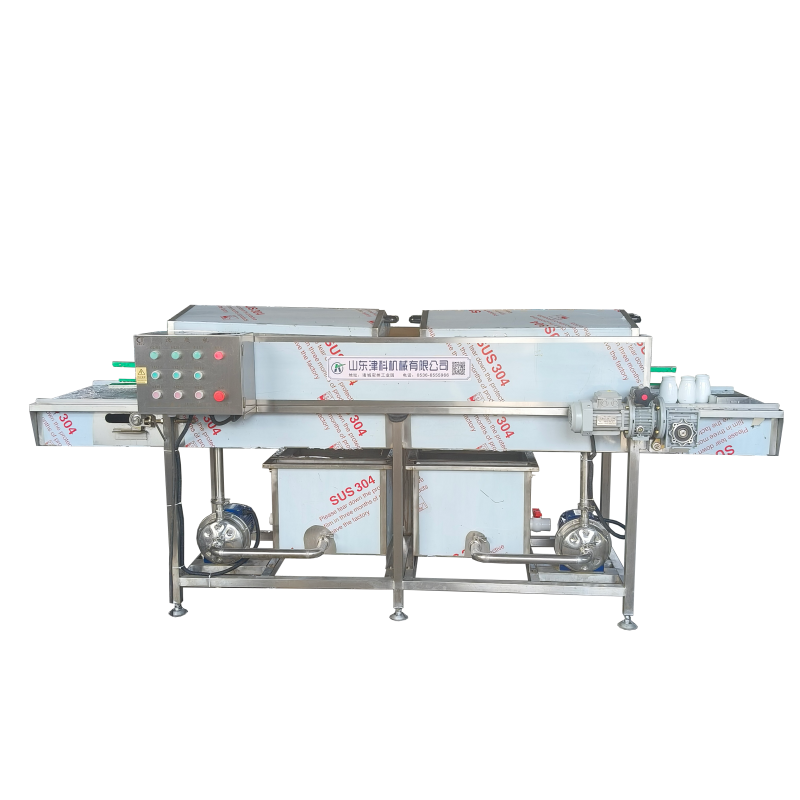 NEW▶ videobottle washing machine
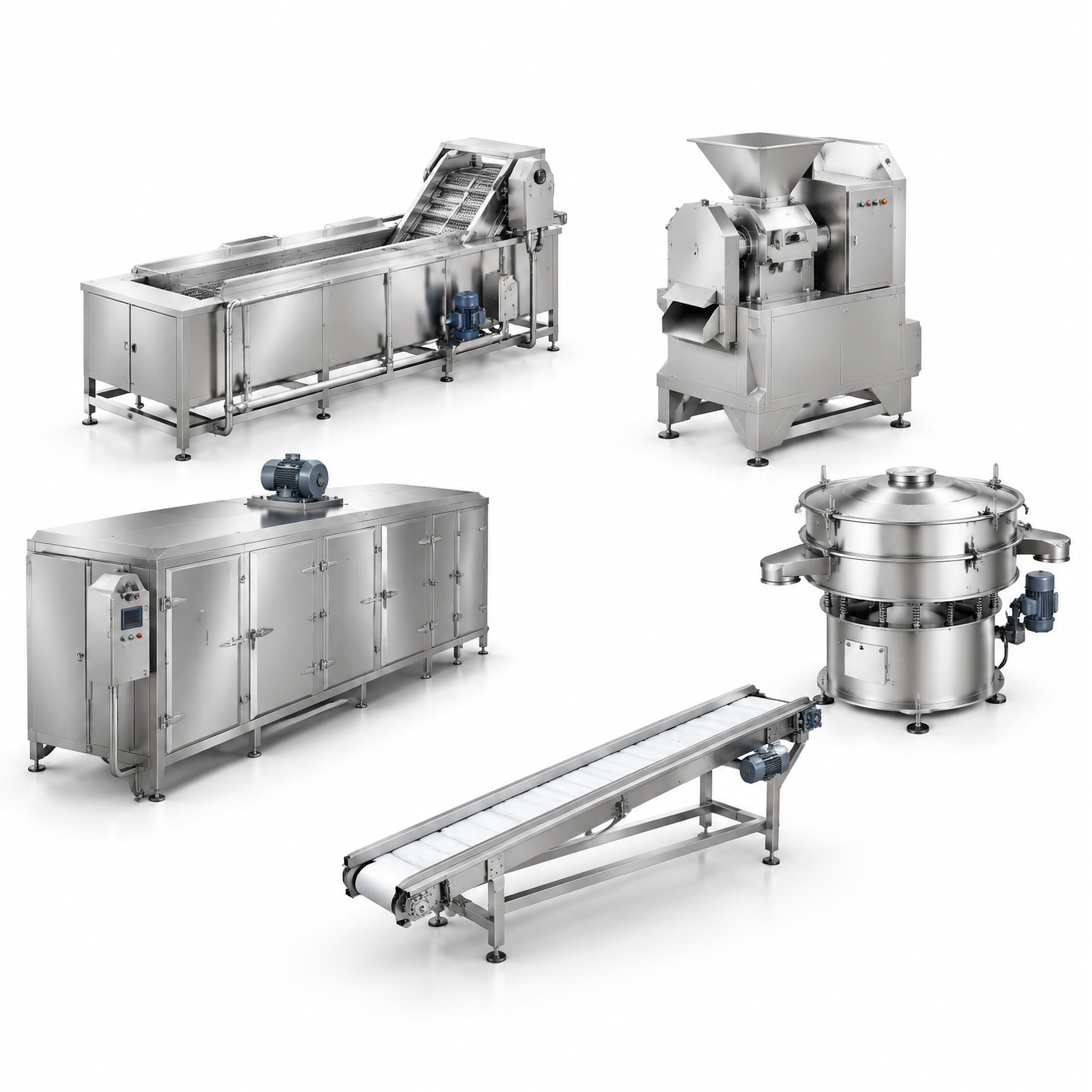 NEW▶ videoAutomatic Chili Pepper Slicing Line for Industrial Chili Shredding and Food Processing
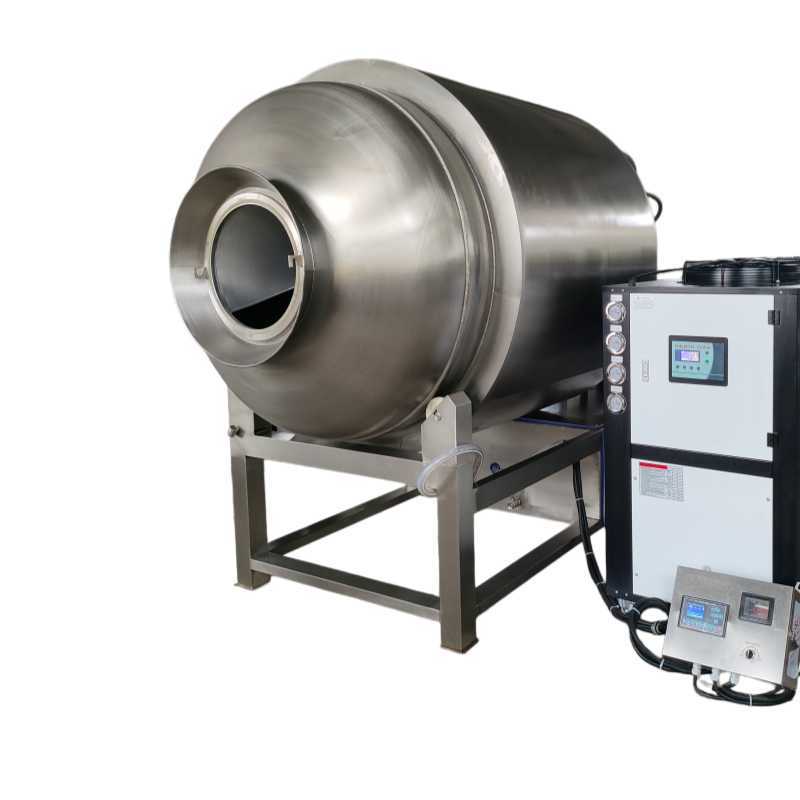 NEWVacuum Tumbler Machine
 NEW▶ videoAutomatic Vegetable Processing Line for Fresh Cut Vegetables: Complete Vegetable Washing, Cutting and Packaging Solutions for Food Processing Factories
 NEW▶ videoHigh Efficiency Automatic Plastic Crate Washing Line for Food Processing Plants